A rubber gasket is a clever component that keeps liquids and gasses out. They’re ideal for filling in imperfections and joining two surfaces together. A gasket must be manipulable and capable of warping into the tight space for which it was created. Read More…
Phelps Industrial Products is a major manufacturer, fabricator and distributor for a wide range of industries throughout the world. We employ a wide range of both computerized high speed and manual equipment to fulfill the toughest demands. We also have a wide range of compressed, elastomeric and non-elastomeric materials available. Since our founding in 1945, we have taken great pride in our...
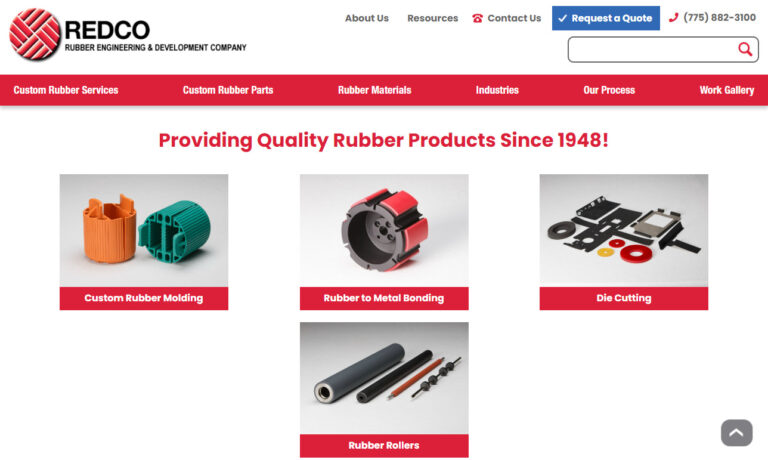
REDCO is your complete source for molded gaskets or die cut gaskets, using a wide range of materials. We pride ourselves on just-in-time delivery and practice a "zero-defect" policy. Since our founding in 1948, it has been our goal to be a one-stop place for your gasket needs.
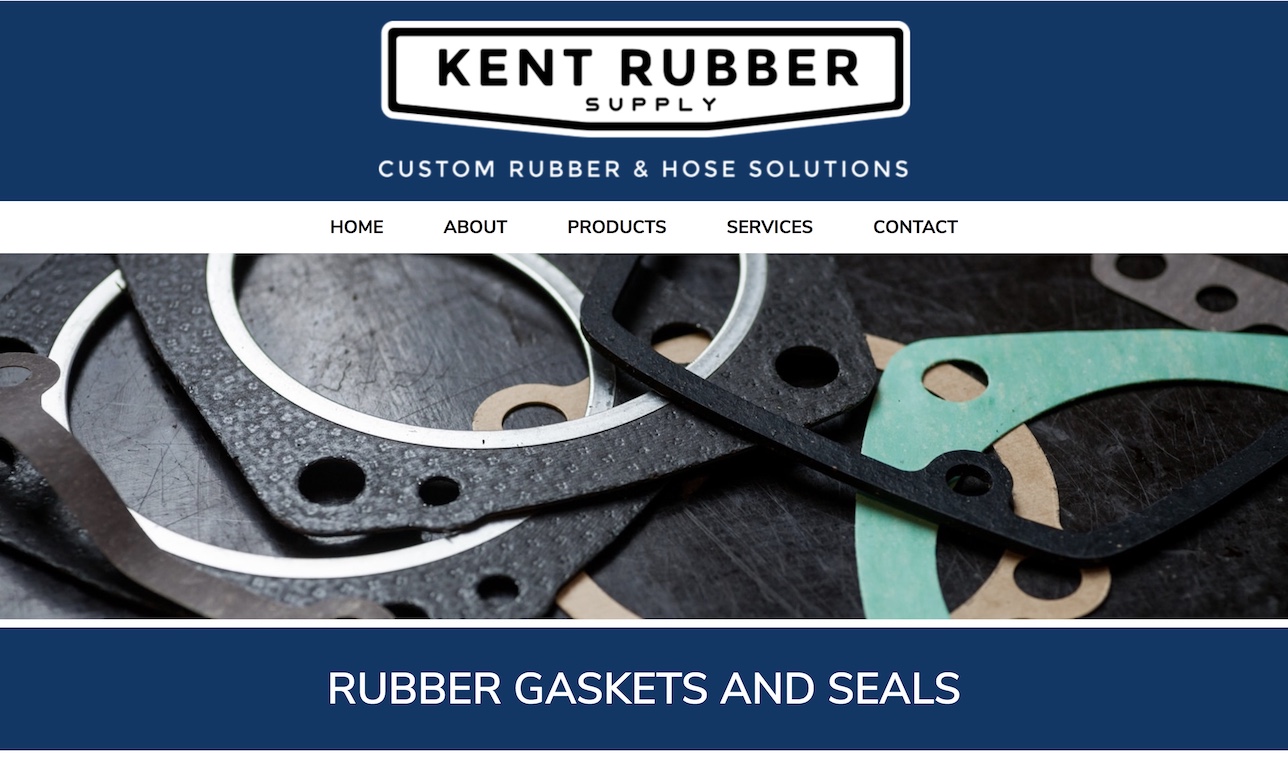
Since 1946, Kent Rubber Supply has been providing the industry with state-of-the-art gaskets. Leveraging the best equipment and the most skilled staff, we ensure we continuously meet our customers unique needs—both domestic and offshore. Our team is capable of prototyping, samples, low-run, or large-volume production. We are confident that our high-tech, industry-leading precision equipment can ...
Since 1979, gaskets have been the focus of our company. VSP Technologies is an award-winning company, innovating new gasket technologies and solutions since our inception. We pride ourselves on our ability to problem-solve and create long-term, comprehensive solutions to fit our customers needs. Our patented designs and experienced specialists are here and ready to serve you! Call us at...
RD Rubber Technology Corp is an ISO 9001:2015 / AS9100:2016 certified and ITAR registered company. We offer compression, transfer, injection and Liquid Injection molding, rubber to metal bonding, engineering support, tooling design, machining and more. Our customers rely on us to give them the best possible production gaskets. From aerospace to medical, food processing to military applications we ...
Arizona is your complete source for standard and custom gaskets, o-rings, seals and more since 1989. Call Arizona Sealing Devices first to solve your die cut gasket needs and you’ll receive same day shipping on stock items plus full custom capabilities. Mylar, Vellumoid & many more gasket materials can be made to your specs utilizing close tolerance laser dies. No order is too small!

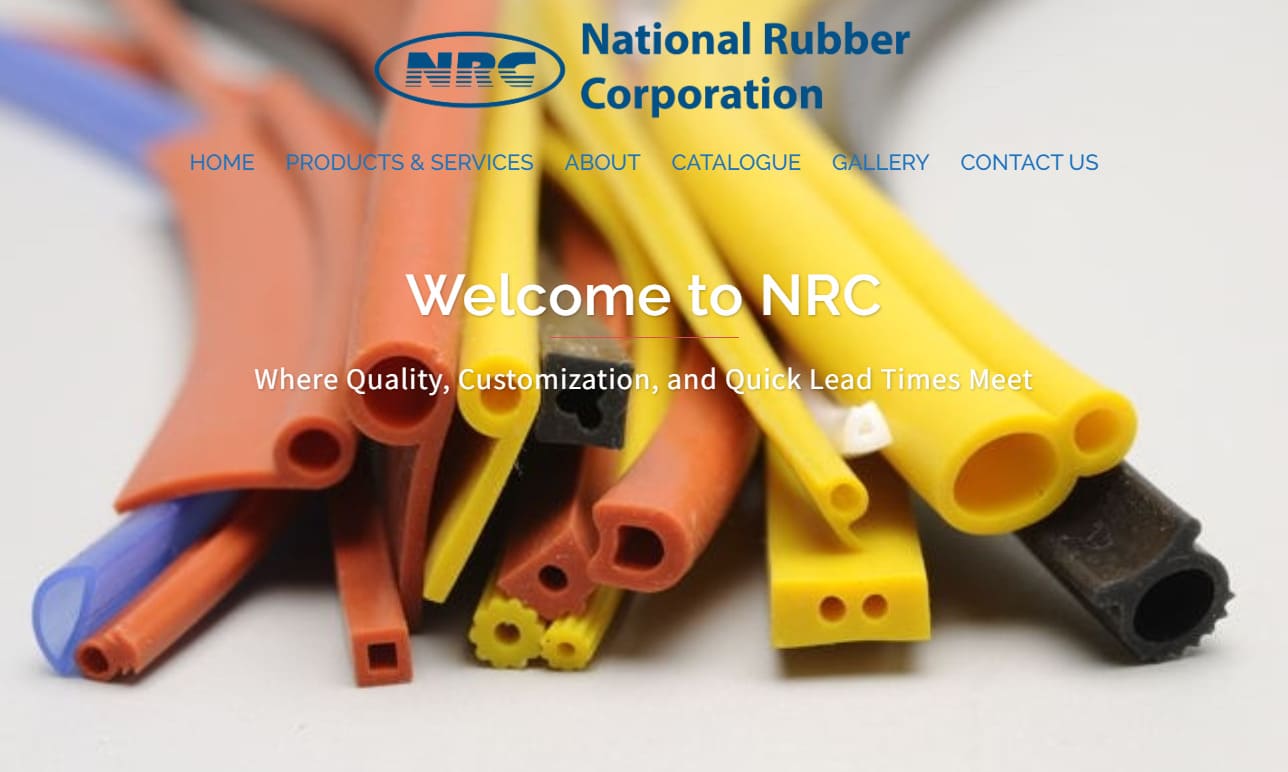
Whether your requirements for custom extruded parts are large or small, multi-dimensional or simple, our engineers will help in finding the solution to meet your needs here at National Rubber Corporation. Gaskets are a vital part of many industrial applications, including every version of pipe and tube system. National Rubber extruded parts meet FDA, ASTM, NSF, UL, AMS, high temperature and other ...

As a supplier of gaskets since 1977, Gardico is dedicated to customers in all industrial sectors needing standard & custom gaskets of superior workmanship. Gardico works with a variety of foam, fiber, felt, cork, plastics, metals & numerous other materials to meet all of their customers’ needs.
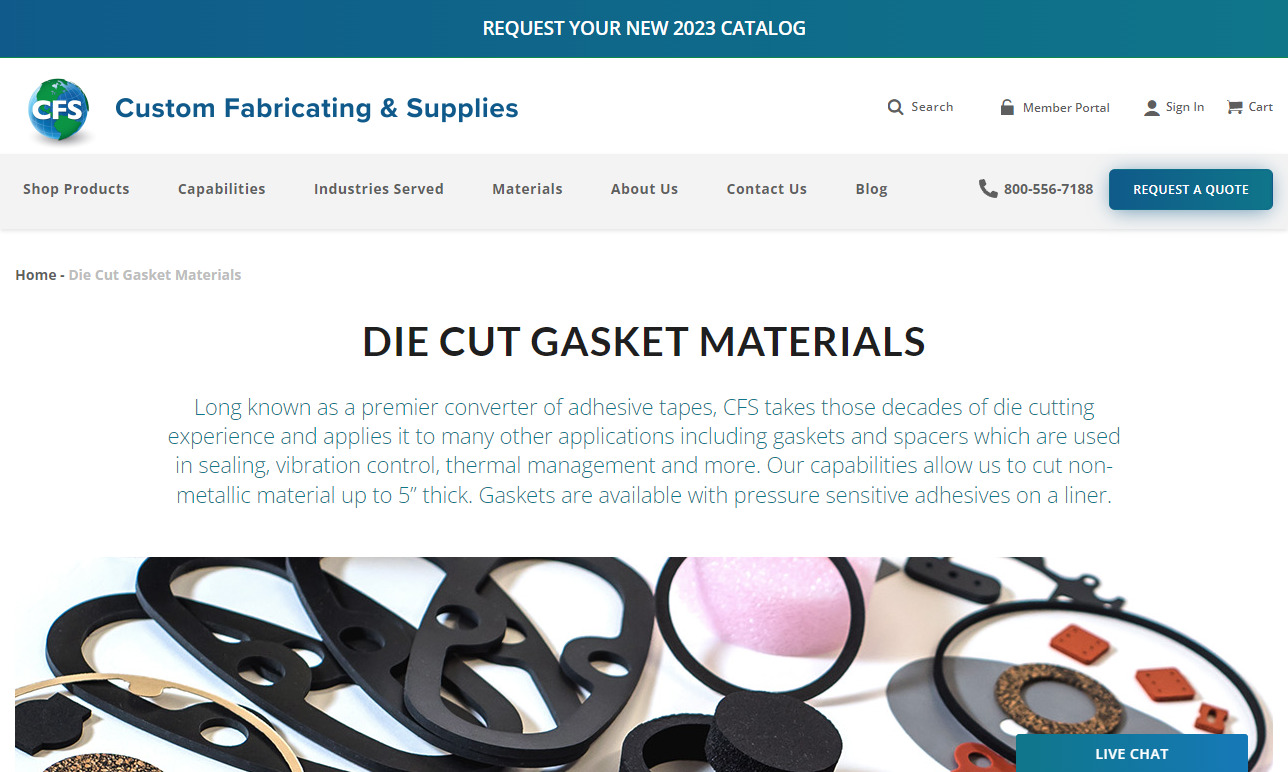
CFS is an ISO 9001:2015 manufacturer of custom gaskets utilizing materials such as silicone rubber, EPDM, Poron®, neoprene and cork rubber. We can source the gasket material or use customer-supplied materials. Our in-house engineers will work with you to ensure the perfect fit for your custom gasket needs. CFS offers large format cutting, adhesive laminating, and kiss-cutting or split liners for ...

More Rubber Gasket Manufacturers
What are Rubber Gaskets?
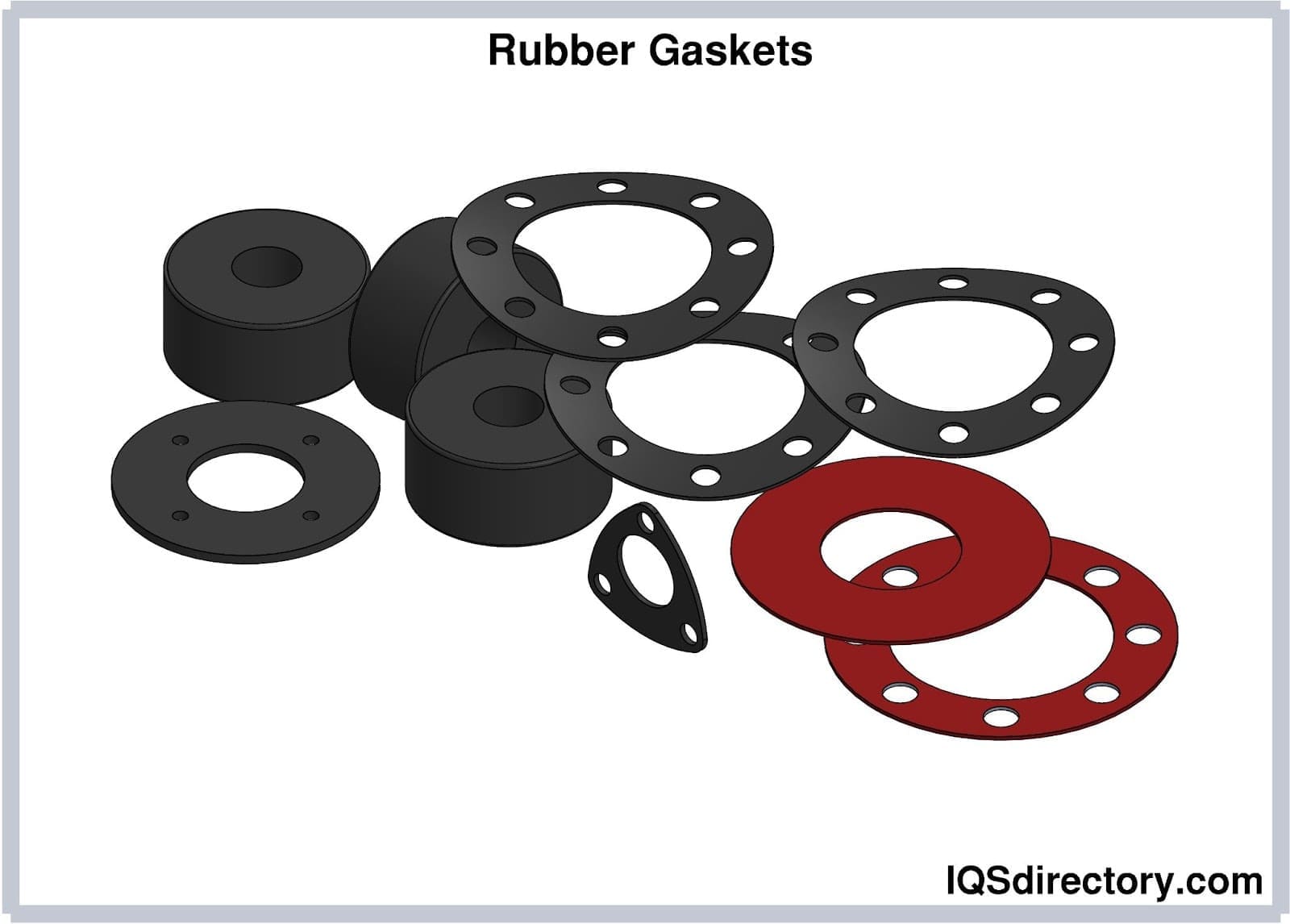
Rubber gaskets are essential components used to create a tight, reliable seal between two joined surfaces, often where there is a risk of leaks or pressure loss. These elastomeric sealing devices are engineered to fill the microscopic gaps and irregularities between mating faces, effectively preventing the passage of liquids, gases, dust, or other contaminants. Rubber gaskets play a crucial role across various industries—automotive, aerospace, oil & gas, plumbing, food processing, and manufacturing—wherever robust, flexible, and durable sealing solutions are required.
At their core, rubber gaskets are designed to withstand a range of environmental conditions, including temperature fluctuations, vibration, chemical exposure, and pressure variations. This makes them invaluable for both static and dynamic sealing applications, ensuring operational safety and equipment longevity.

How Are Rubber Gaskets Made? Understanding the Manufacturing Process
Rubber gaskets begin as large, flat sheets of raw elastomeric material—commonly known as a "bun." These buns, often made from materials like EPDM, silicone, nitrile (NBR), neoprene, or natural rubber, are delivered in bulk and prepared for further processing. To achieve the precise thickness and width required for specific sealing applications, manufacturers use a bun-splitting machine to slice the buns into manageable sheets. This step ensures uniformity and optimal material usage.
Once split, the rubber sheets are passed through laminating machines, applying heat and pressure to enhance material properties and, if needed, add adhesive backings. This process may incorporate advanced adhesive technologies for peel-and-stick gaskets, streamlining installation for end-users.
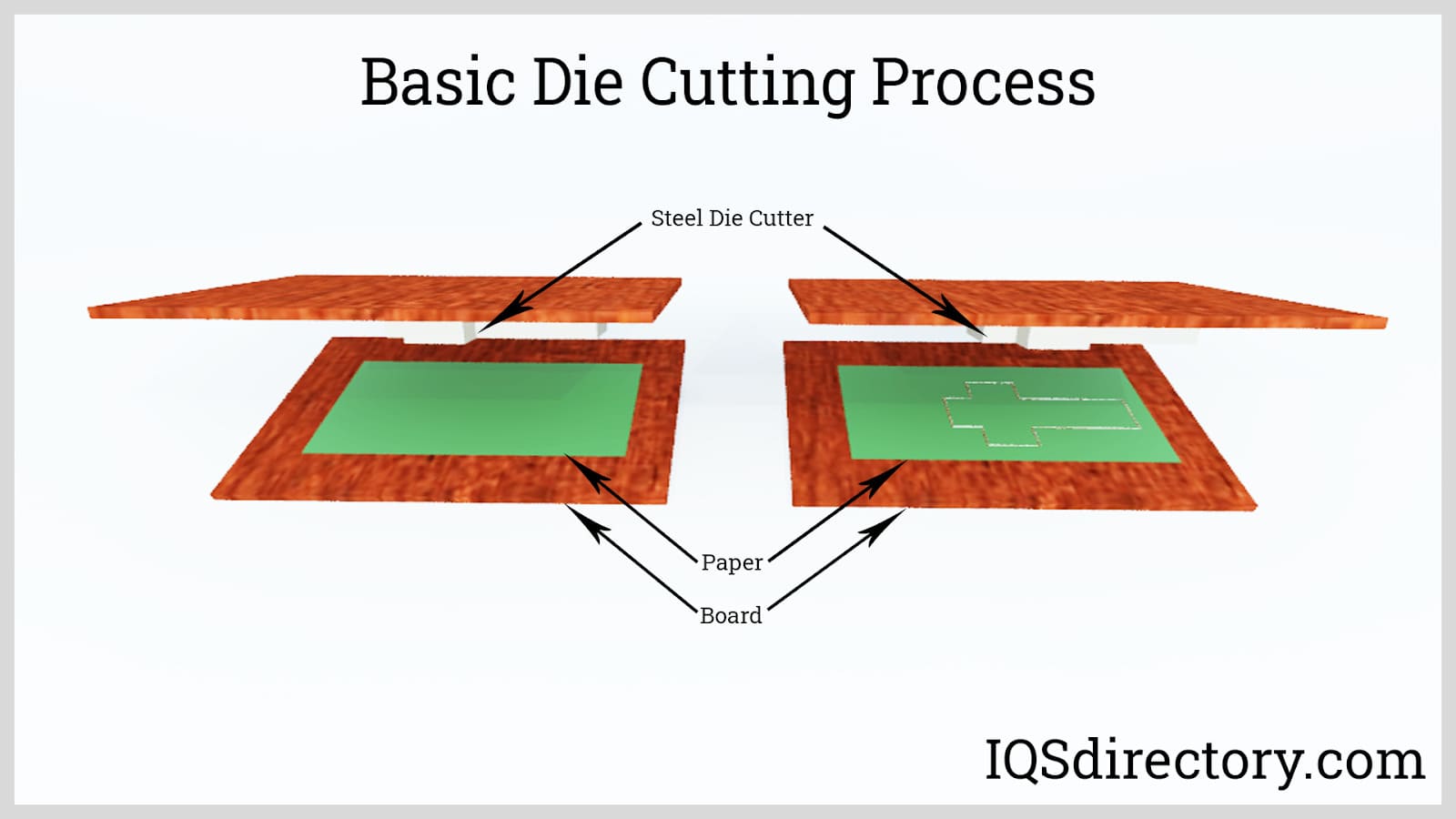
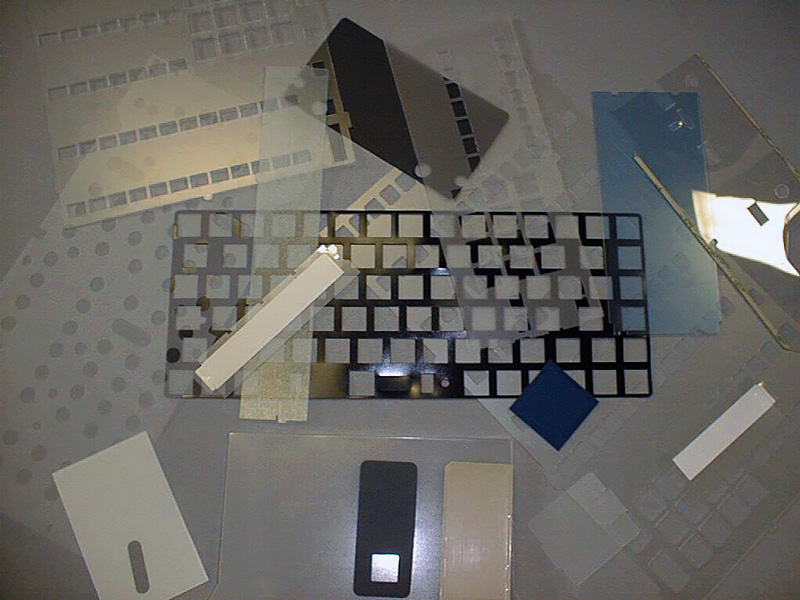
The next critical step is gasket die-cutting. Using CNC-controlled die-cutting machines, the sheets are stamped into custom shapes and sizes—ranging from standard flange gaskets to highly specialized geometries for unique sealing challenges. Additionally, computer-aided design (CAD) and cutting technologies allow for tight manufacturing tolerances, ensuring gaskets meet strict industry specifications.

After cutting, gaskets undergo rigorous quality control checks—verifying material integrity, dimensional accuracy, and surface finish—before being packaged and shipped worldwide. The versatility of rubber gasket manufacturing supports a vast range of industries, including agricultural equipment, automotive engines, small appliances, medical devices, defense systems, and heavy-duty industrial machinery.
Advanced fabrication techniques such as gasket punching, waterjet cutting, laser cutting, and precision rubber molding enable manufacturers to deliver custom gasket solutions tailored to the most demanding performance requirements. Selecting the right manufacturing method is key for applications where chemical resistance, temperature stability, and mechanical strength are critical.
Rubber Molding Methods: Compression vs. Injection Molding
Rubber molding is a core process in producing high-performance gaskets. The molding technique selected can impact the gasket's final properties, including elasticity, sealing performance, and resistance to environmental stressors.
Compression Molding
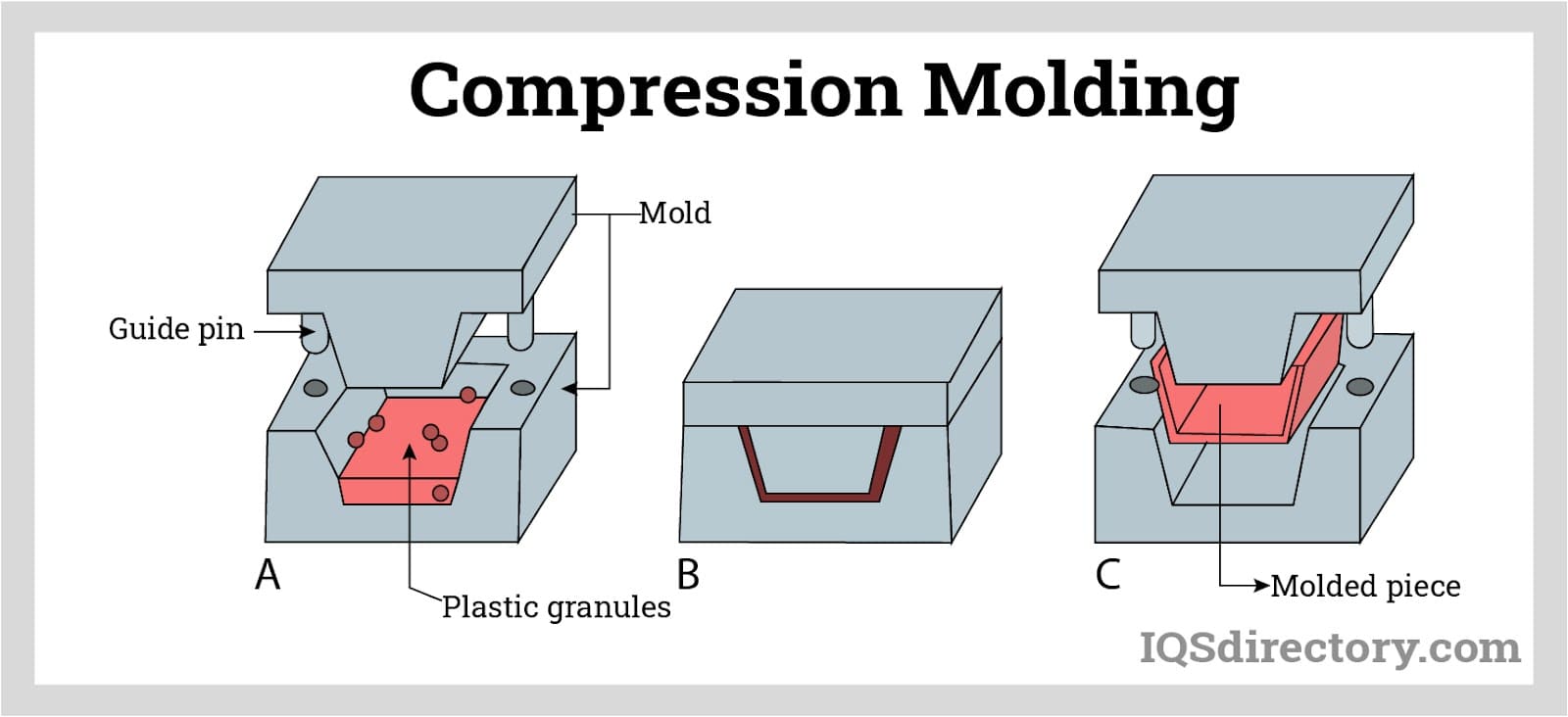
Compression molding is a traditional and widely used method for manufacturing rubber gaskets. In this process, a pre-measured amount of uncured rubber is placed directly into a mold cavity. The mold is then closed and subjected to heat and pressure, causing the rubber to flow, fill the mold, and cure into the desired shape. This technique is especially cost-effective for low to medium production volumes and is suitable for producing large, thick, or complex gaskets, as well as other rubber components like seals, diaphragms, and bumpers.
Injection Molding
Injection molding is a modern, highly efficient technique for mass-producing rubber gaskets with precise tolerances. Uncured rubber is fed into an injection barrel, where it is heated and mixed. The material is then injected under pressure into a closed mold cavity. This method ensures consistent part quality and is ideal for high-volume production runs, as well as for creating intricate gasket shapes and integrated features. Injection molding is commonly used for automotive gaskets, O-rings, and gasketed seals in electronics and medical devices.
Other Fabrication Techniques
While molding is essential for certain gasket designs, other fabrication methods such as die-cutting, slit cutting, and waterjet cutting allow for rapid prototyping and the production of flat, sheet-based gaskets. These techniques are ideal for custom, one-off, or low-volume requirements and support a wide range of material choices.
Types of Rubber Gaskets & Material Selection
Choosing the right rubber gasket material is key to achieving optimal sealing performance. Common types of rubber gaskets include:
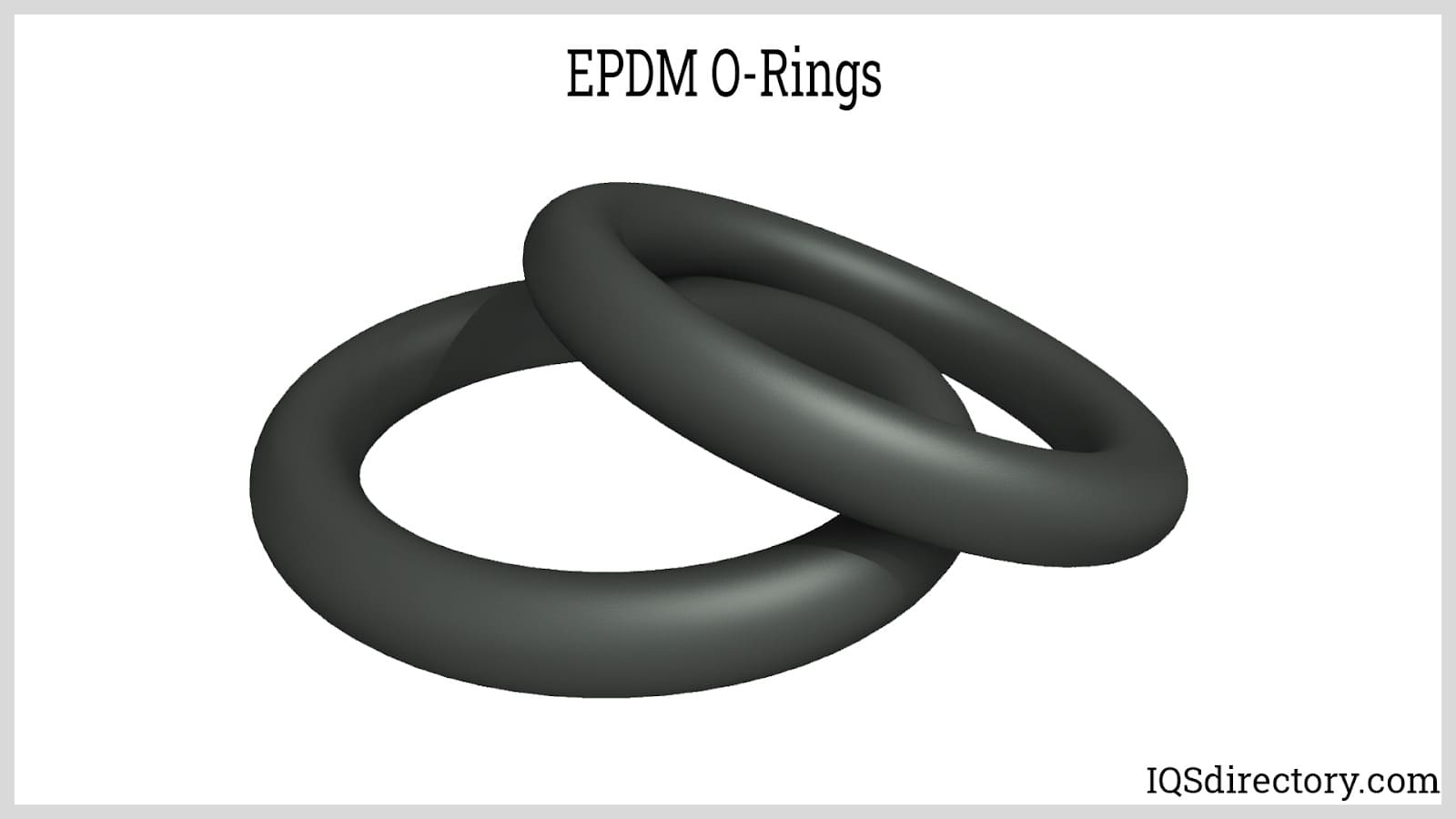
- EPDM Gaskets: Excellent weather, ozone, and UV resistance; ideal for outdoor and automotive applications.
- Silicone Gaskets: Outstanding temperature range (-60°C to +230°C), FDA-compliant options for food and medical use.
- Nitrile (Buna-N) Gaskets: Superior oil, fuel, and solvent resistance; widely used in automotive, aerospace, and industrial machinery.
- Neoprene Gaskets: Good chemical and weather resistance; used in HVAC, refrigeration, and marine environments.
- Viton® Gaskets: Exceptional chemical resistance and high-temperature stability; ideal for harsh chemical and oil & gas applications.
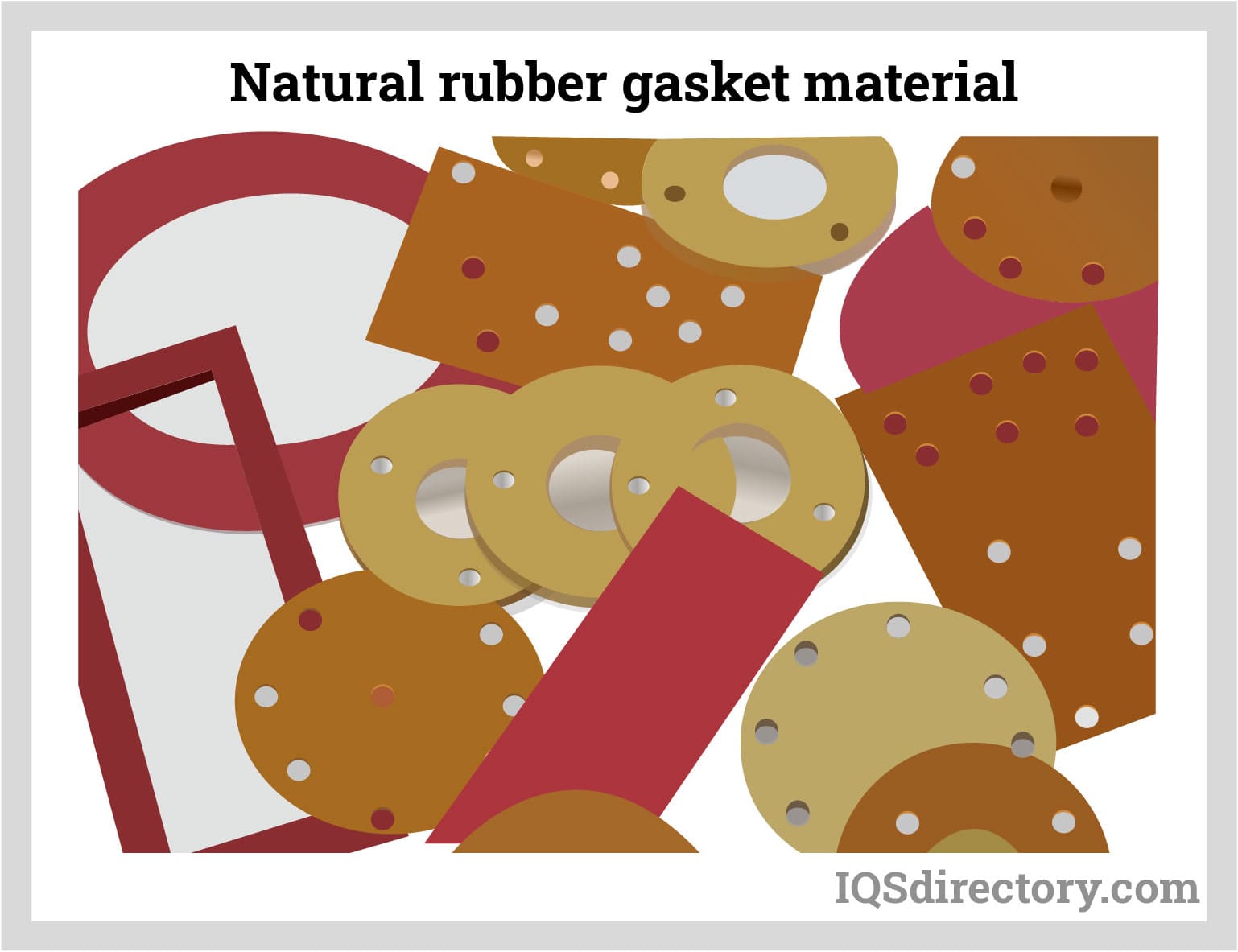
- Natural Rubber Gaskets: High elasticity and tear strength; suitable for general-purpose sealing where abrasion resistance is needed.
Each rubber material offers unique properties—consider the application's temperature range, chemical exposure, pressure, and mechanical stress when choosing the appropriate gasket. For help, consult our Rubber Gasket Materials Guide.
Key Advantages and Benefits of Rubber Gaskets
- Superior Sealing Capability: Rubber gaskets conform to surface irregularities, ensuring a fluid- and gas-tight seal. This prevents leaks, protects sensitive components, and maintains system integrity in high-pressure and vacuum environments.
- Wide Temperature and Chemical Resistance: Rubber materials can be engineered for continuous operation in extreme hot or cold conditions and to resist aggressive chemicals, acids, fuels, and solvents. Selecting the right compound reduces maintenance and replacement costs.
- Versatility Across Applications: From window and door gaskets to automotive engines, industrial pumps, valves, and electronic enclosures, rubber gaskets are used wherever a reliable seal is needed.
- Shock and Vibration Absorption: Elastomeric gaskets dampen vibration and cushion mechanical shocks, extending equipment life and minimizing noise.
- Easy Installation and Customization: Available in endless shapes and sizes, rubber gaskets can be die-cut, molded, or extruded to fit virtually any design, including custom prototyping and short-run production.
- Safety and Environmental Protection: Rubber gaskets help contain hazardous fluids, gases, or dust, protecting workers and the environment. Many formulations are compliant with industry standards such as FDA, NSF, or RoHS.

Common Applications and Industry Use Cases for Rubber Gaskets
- Automotive Manufacturing: Used in engines, transmissions, fuel systems, and exhaust manifolds to prevent leakage of oil, coolant, and gases. Automotive rubber gaskets are critical for emissions control and vehicle reliability.
- Industrial Equipment: Seal pumps, compressors, gearboxes, and process piping in chemical plants, power generation facilities, and manufacturing operations. Rubber gaskets protect against leaks and maintain pressure integrity.
- Plumbing and HVAC Systems: Gaskets in pipes, valves, and fittings prevent water, steam, or refrigerant leaks. EPDM and neoprene gaskets are popular for their resistance to weathering and temperature extremes.
- Food and Beverage Processing: FDA-compliant silicone rubber gaskets provide hygienic seals in food processing equipment, bottling lines, and dairy plants—resisting heat, cleaning agents, and microbial growth.
- Aerospace and Defense: High-performance fluorocarbon and silicone gaskets are used in aircraft engines, fuel systems, and cabin pressurization systems where reliability and resistance to harsh environments are paramount.
- Electronics and Enclosures: Rubber gaskets provide EMI/RFI shielding, dust resistance, and waterproof seals for electrical cabinets, lighting fixtures, and outdoor devices.
- Marine and Offshore Applications: Neoprene and nitrile rubber gaskets are used in shipbuilding, offshore platforms, and subsea installations for their corrosion and saltwater resistance.
- Renewable Energy: Used in wind turbines, solar panel junction boxes, and battery enclosures to prevent ingress of moisture and contaminants.
How to Choose the Right Rubber Gasket for Your Application
Selecting the optimal rubber gasket involves evaluating several key factors to ensure long-term sealing performance and cost efficiency. Consider the following when specifying a gasket for your project:
- Operating Temperature: Will the gasket be exposed to extreme heat or cold? Select a material such as silicone for high-temperature environments or EPDM for outdoor weather resistance.
- Chemical Compatibility: What chemicals, oils, or solvents will contact the gasket? Consult chemical resistance charts and choose viton®, nitrile, or neoprene as appropriate.
- Pressure and Mechanical Stress: What levels of pressure or mechanical load will the seal experience? Ensure the rubber compound and thickness can withstand the application demands.
- Regulatory Compliance: Does your application require FDA, NSF, or other certifications? Confirm the gasket material meets relevant industry standards.
- Environmental Exposure: Will the gasket face UV, ozone, saltwater, or abrasive conditions? Opt for materials with proven resistance to these factors.
- Installation Method: Consider whether you need peel-and-stick gaskets, integrated adhesives, or custom-molded solutions for ease of assembly and maintenance.
Need help with material selection or gasket design? Ask our rubber gasket experts for guidance tailored to your specific industry or use case.
Rubber Gasket Standards, Certifications, and Quality Considerations
When sourcing rubber gaskets, it’s essential to verify that products meet relevant quality and safety standards. Common certifications and standards include:
- ASTM D2000: Standard classification for rubber products in automotive applications
- FDA 21 CFR 177.2600: Rubber articles intended for repeated use in food contact
- NSF/ANSI 61: Drinking water system components
- UL 94: Flammability rating for gasket materials in electronics
- RoHS Compliance: Restriction of Hazardous Substances for environmental safety
Reliable gasket manufacturers provide documentation and traceability for all materials used, ensuring consistent product performance and regulatory compliance.
Choosing the Correct Rubber Gasket Manufacturer: What to Consider
To ensure you achieve optimal results when purchasing high-quality rubber gaskets, it’s vital to compare multiple rubber gasket manufacturers using our comprehensive Rubber Gasket Manufacturers Directory. Each supplier profile highlights core competencies, manufacturing capabilities (such as custom die-cutting, molding, and prototyping), material expertise, and industries served. Use our direct contact forms to request technical information, get samples, or obtain competitive quotes.
Not sure how to evaluate a rubber gasket supplier? Consider asking:
- Do you offer custom gasket design and prototyping?
- What material certifications and compliance documentation can you provide?
- What is your typical lead time for custom and standard gaskets?
- Can you provide case studies or references for similar applications?
- What quality control processes do you follow?
Compare each rubber gasket business using our proprietary website previewer to quickly assess their specialization in automotive, industrial, food-grade, or high-temperature gasket solutions. Then, use our easy RFQ form to reach out to multiple manufacturers at once, saving time and ensuring you receive the best value and service for your project.
Frequently Asked Questions About Rubber Gaskets
- What is the difference between a gasket and a seal?
Gaskets are typically static sealing solutions used between flat surfaces, while seals (such as O-rings) are often dynamic, used between moving parts. Both prevent leaks but are designed for different environments and motion profiles. - How do I determine which rubber material is best for my application?
Consider the operating temperature, fluid or chemical exposure, pressure, and any regulatory requirements. Consult with a manufacturer or use our materials guide for assistance. - Can rubber gaskets be recycled?
Some rubber materials, such as silicone and EPDM, can be recycled, but recycling options depend on local facilities and the specific formulation. Check with your supplier for sustainable options. - How can I ensure the longevity of my rubber gaskets?
Choose a material suited to the environment, install properly, and follow recommended maintenance schedules. Store unused gaskets in a cool, dry place away from direct sunlight and ozone sources. - Where can I buy custom or standard rubber gaskets online?
Visit our directory of rubber gasket manufacturers to find trusted suppliers and request quotes for your application.
Get Started: Find the Best Rubber Gasket Solution for Your Needs
Whether you need off-the-shelf standard gaskets or a custom-engineered sealing solution, sourcing the right rubber gasket is vital for system reliability and safety. Explore our resources, compare leading rubber gasket manufacturers, and leverage our expertise to ensure your next project is protected by the industry's best sealing technology. Ready to request a quote or have questions about materials, applications, or compliance? Contact us today for personalized assistance.
 Die Cutting
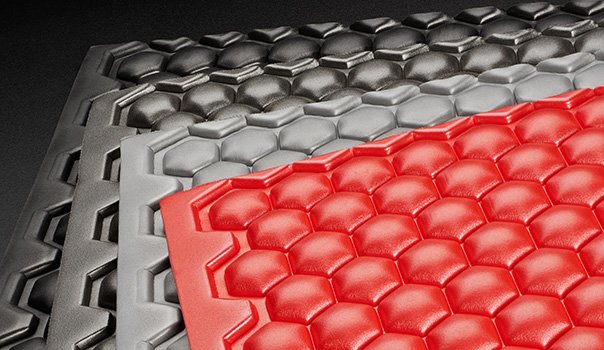 Foam Fab
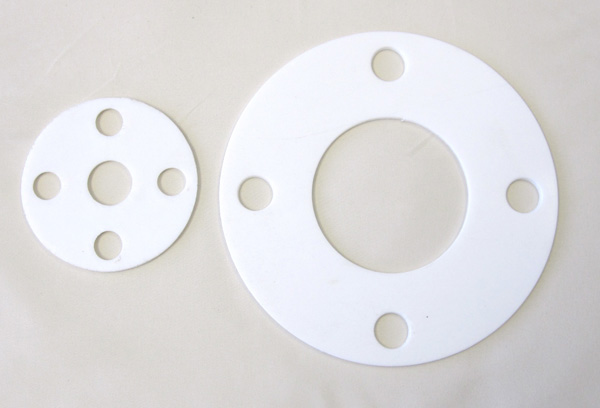 Gaskets
 O-rings
 Plastic Fabricators
 Tape Suppliers
 Castings & Forgings
 Bulk Material Handling
 Electrical & Electronic Components
 Flow Instrumentation
 Hardware
 Material Handling Equipment
 Metal Cutting Services
 Metal Forming Services
 Metal Suppliers
 Motion Control Products
 Plant & Facility Equipment
 Plant & Facility Supplies
 Plastic Molding Processes
 Pumps & Valves
 Recycling Equipment
 Rubber Products & Services